Spring Flower Embroidery: An Easy Hoop to Stitch in a Weekend
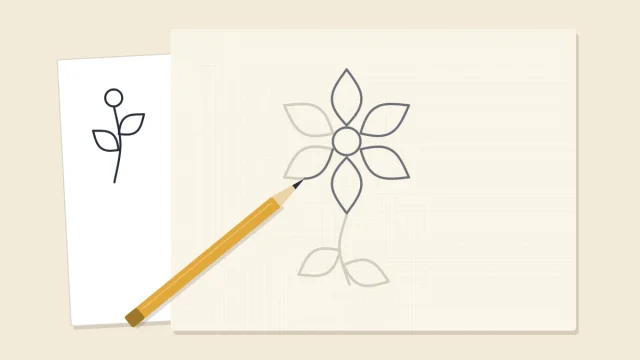
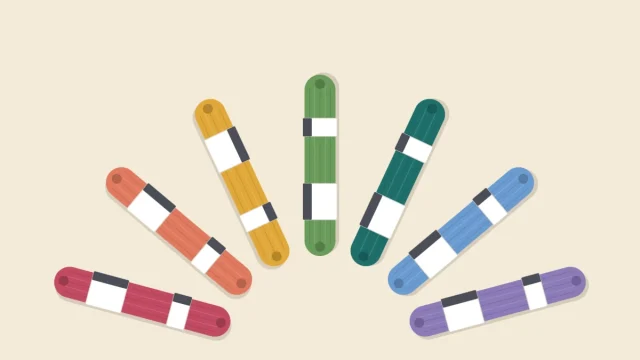
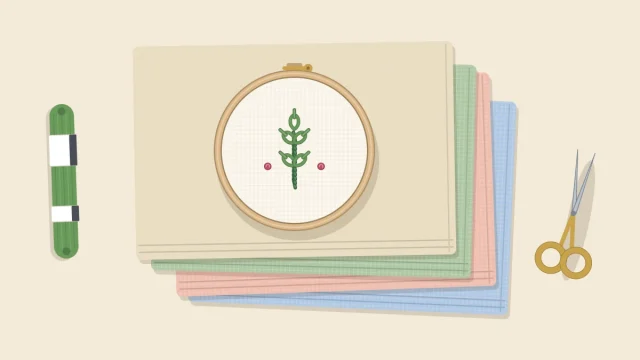
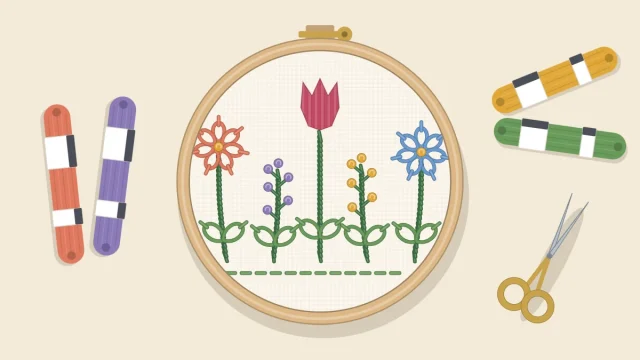
A row of five simple flowers, two daisies, a tulip and two knot-flowered sprigs, worked in four beginner stitches in a 6-inch hoop. Includes a color palette and a clear order of work.
Hand embroidery for beginners, step by step
30 tutorials published
A row of five simple flowers, two daisies, a tulip and two knot-flowered sprigs, worked in four beginner stitches in a 6-inch hoop. Includes a color palette and a clear order of work.
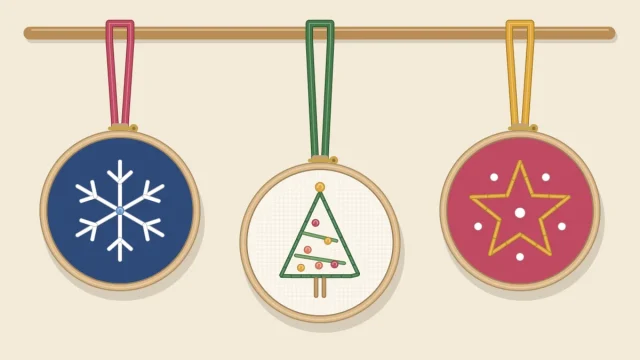
Three small motifs for 3-inch mini hoops, a snowflake, a tree and a star, stitched with straight stitch, backstitch and French knots, then finished with a felt back and a ribbon loop.
Why fabric wrinkles around your stitches and five fixes to try in order: re-hoop, ease the stitches, press damp and face down, block, and re-stitch. Plus how to avoid puckers next time.
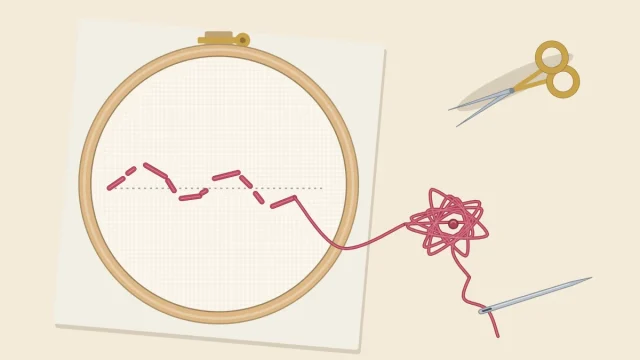
Thread that is too long, too many strands, a loose hoop, tight stitches and six more habits that trip up new stitchers, each with a simple way to spot it and put it right.
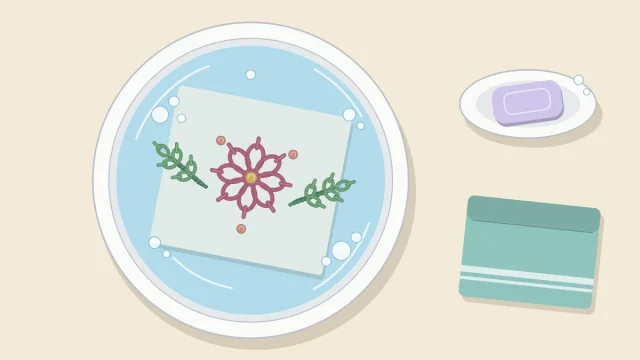
Test for color bleed, wash by hand in cool water with mild soap, roll the piece in a towel and press it face down on a soft base. A cautious routine for cleaning finished embroidery.
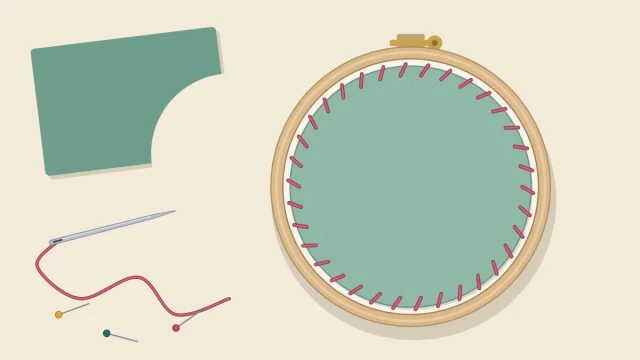
Center the design, trim the fabric to a circle, gather it with a line of running stitch and cover the back with felt. A simple, reversible way to make a stitched hoop ready to hang.
Good embroidery tension means each stitch lies flat on the fabric without lifting or pulling the cloth in. Learn what to look for, how the hoop helps and a short drill to train your hands.
Four reliable ways to get an embroidery design onto fabric: window tracing, transfer paper, water-soluble stabilizer and iron-on pens, with advice on which suits light or dark cloth.
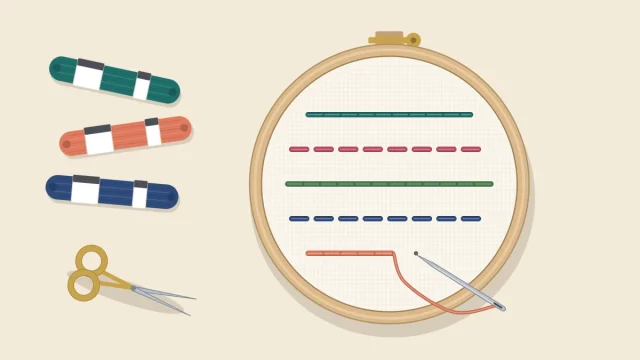
Six-strand cotton floss and perle cotton are the two threads most beginner patterns use. Learn how they differ, what the color numbers mean and how to pull floss from a skein without a tangle.
A medium-weight woven cotton or cotton-linen blend in a light color is the easiest fabric to learn embroidery on. Here is how weave, weight and stretch affect your stitches.
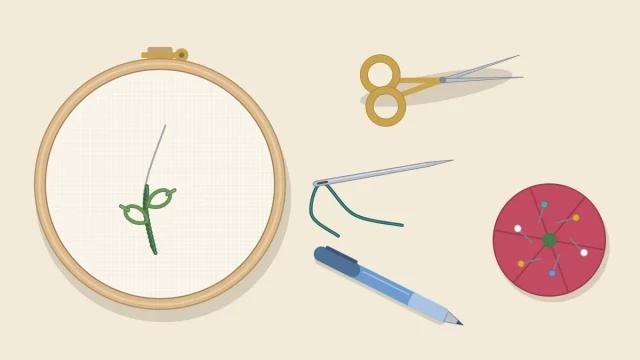
A first embroidery kit needs only six things. Here is the short essential list, why small sharp scissors and a good marking tool matter, and which extras can wait until you need them.
Embroidery, tapestry and milliner needles each do a different job, and their sizes run backward: the higher the number, the finer the needle. Here is how to match a needle to your strand count.